Arica to La Paz Private Transfer
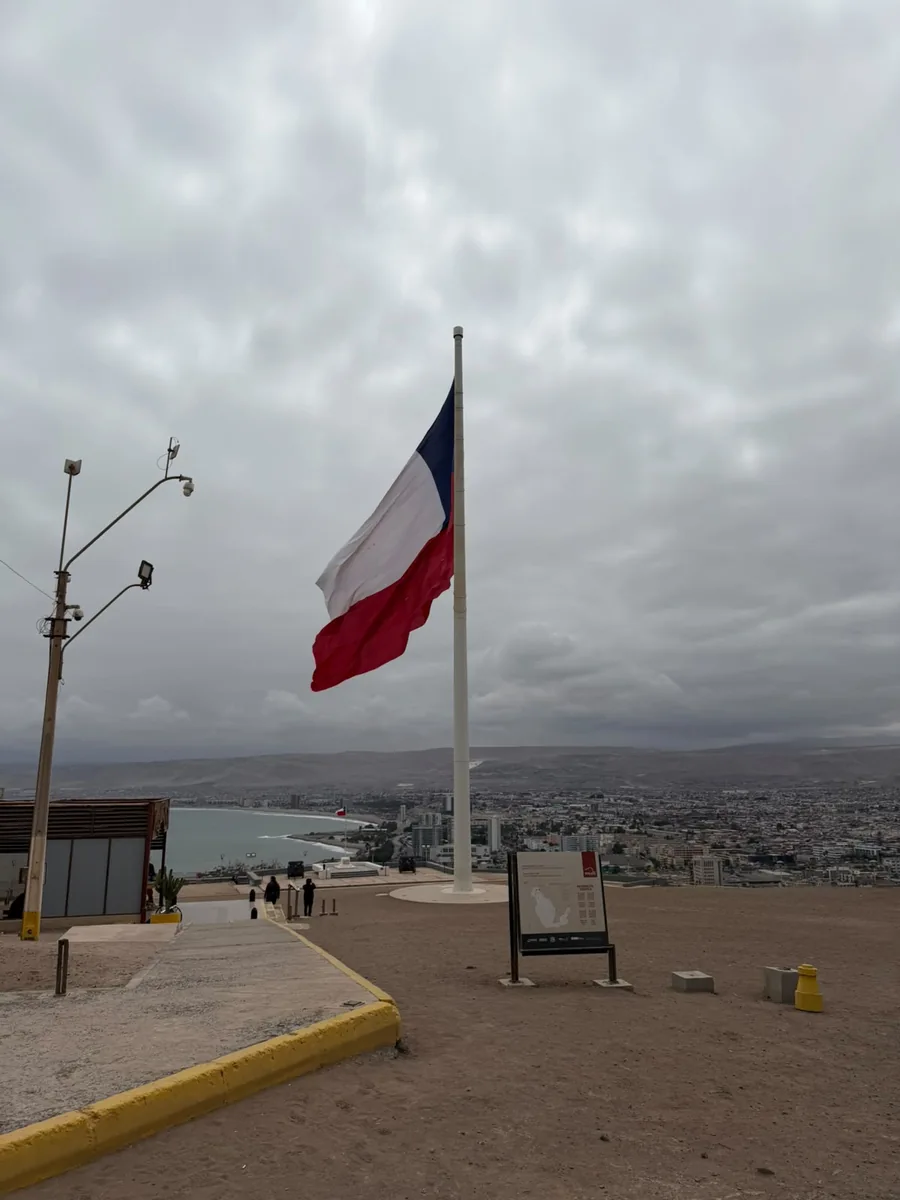
Arica to La Paz Private Transfer
Arica & Lauca National Park, Chile - La Paz, Bolivia
Price, timing and itinerary details change according to the selected option.
From Arica
Transfer Overview
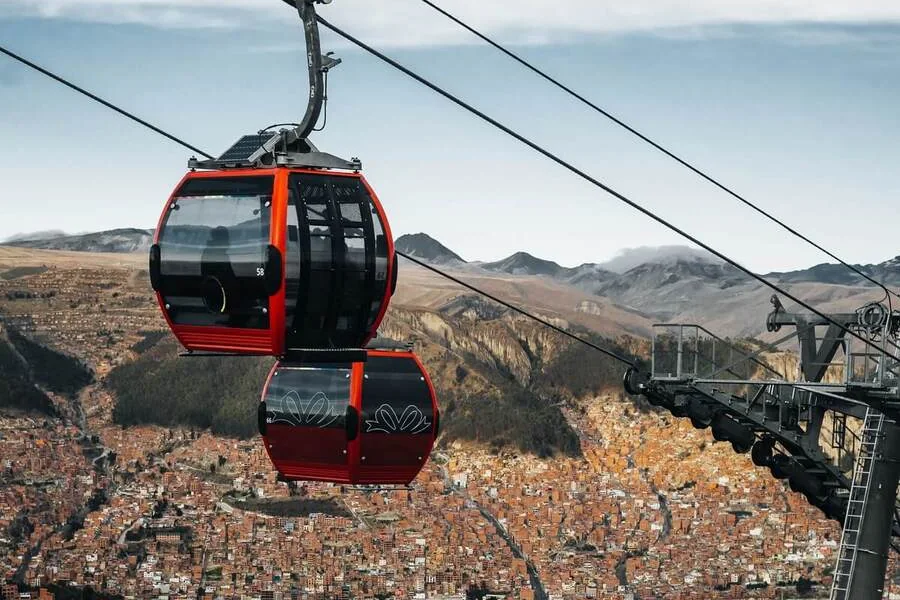
Travel from Chile's Pacific coast to the Bolivian highlands on a private transfer from Arica to La Paz. The road climbs the Lluta Valley into the Andes, crosses Lauca National Park and reaches the Chungará - Tambo Quemado border at about 4,680 meters, then continues across the Altiplano to El Alto and La Paz. The journey covers about 480-500 km: about 7-8 hours of driving, or 10-12 hours with the border and short stops.
We pick you up at your hotel or the port in Arica and take you to your accommodation in La Paz. Pickup at Chacalluta Airport or drop-off at El Alto International Airport can be arranged in advance. The transfer also runs in the opposite direction, from La Paz to Arica.
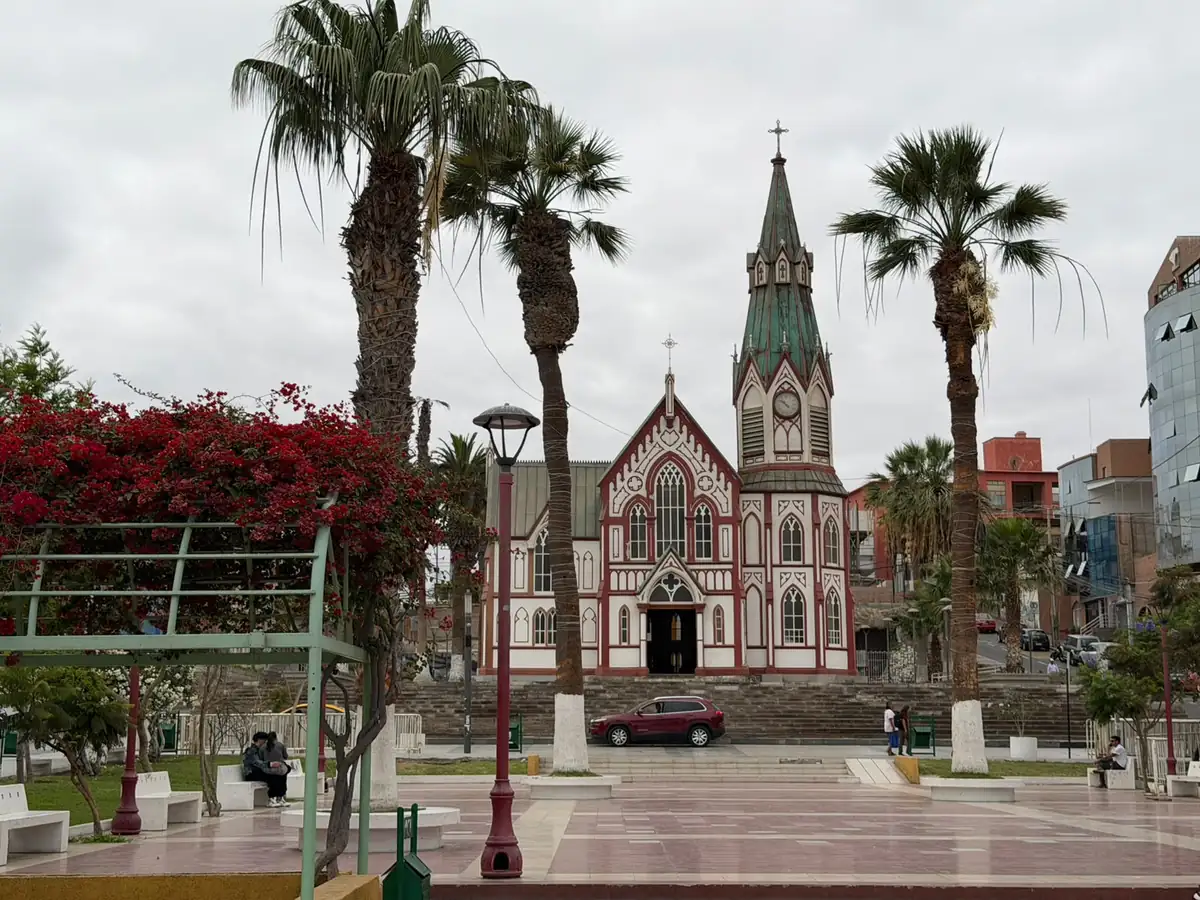
Short photo stops can be planned along the way. For more time in the Aymara villages and Lauca National Park, we can split the trip into two days with a night in Putre.
This is a high-altitude route that climbs from sea level to about 4,680 meters in a single day, so please plan your acclimatization before booking.
Price Details:
Transfer Includes
- ● Private transportation
- ● Short photo stops
- ● Bottled water
Transfer Excludes
Frequently Asked Questions about the Arica - La Paz Private Transfer
How long is the Arica to La Paz transfer, and which route do you take?
From Arica, we follow Route CH-11 up the Lluta Valley, past Poconchile and Zapahuira, and through Lauca National Park to the Chungará - Tambo Quemado border. In Bolivia, the road crosses the Altiplano to Patacamaya, continues to El Alto and drops down into La Paz. Detours to Putre, Parinacota, Curahuara de Carangas or Sajama add distance and time.
Is there a train from Arica to La Paz?
Where can you pick us up and drop us off?
We can also start in Putre if you are already staying there. Tell us which places in Lauca you have visited, so we don't repeat them. The transfer runs in the opposite direction too, from your hotel in La Paz or El Alto Airport to Arica.
Traveling on to Peru? See our Arica to Tacna private transfer.
How high does the route go, and how should we prepare?
Tell us where you'll be staying before the transfer and whether you've had problems at altitude. Move slowly during stops. If symptoms appear, don't go higher; if they get worse, you need to descend and get medical help.
How does the Chile - Bolivia border crossing work, and what documents do we need?
Each passenger needs a valid passport or ID accepted for their nationality, plus any visa required. Please check entry requirements before booking, especially if you're traveling with children. Getting visas and keeping documents valid is each traveler's responsibility. Keep your documents in your hand luggage.
When entering Chile, you must declare products of plant or animal origin, including food and some souvenirs.
Does the route operate all year, and what if the road or border is closed?
We check the road and the border before departure. If there's a known restriction, we contact you to change the date, time or route. If something happens on the way, we decide the next steps with you, based on the conditions and the safe options available. Using another Chile - Bolivia crossing means a long detour, usually an extra day and a new price, which we agree with you first.
Can we stop at Lake Chungará or take a short walk in Lauca National Park?
CONAF closed the lakeshore area at Chungará in late 2025 for environmental recovery, so we check current access before your trip. When the trails are open, a short walk of 30-40 minutes at Chungará or Las Cuevas can be added, depending on the weather and how everyone feels at altitude. Walk slowly at this height.
Along the way, you may see vicuñas and, with luck, vizcachas around Las Cuevas, as well as llamas, alpacas, Andean geese, giant coots and, depending on the season, flamingos. Wildlife sightings can't be guaranteed. Binoculars or a camera with a good zoom are useful.
Can we visit Aymara villages and historic churches, or try local food?
On the Chilean side, the Church of San Jerónimo in Poconchile is an easy stop. In Bolivia, the painted church of Curahuara de Carangas, known as the Sistine Chapel of the Altiplano, needs a detour, and visits inside must be arranged in advance. These visits aren't automatic stops on a direct transfer, so tell us what interests you when booking.
Are there archaeological sites or museums on the way?
To see the Chinchorro mummies, visit the San Miguel de Azapa Archaeological Museum, run by Universidad de Tarapacá, or the Colón 10 site museum in Arica. We recommend doing this the day before: the Azapa museum is in another valley, and museum hours don't fit the early start.
Tiwanaku, in Bolivia, is not on the route. It's best visited on a separate trip from La Paz.
Can we split the journey over two days and stay in Putre?
Keep in mind that Putre is already at about 3,500 meters, and one night there is not enough to acclimatize after coming straight up from the coast.
A two-day trip is also the best way to include the Jurasi hot springs near Putre, with outdoor pools and mountain views. Visiting Sajama National Park in Bolivia means leaving the main road, so plan an extra day and a night there, for example at Tomarapi Ecolodge.
For a one-day transfer, we suggest one main visit plus short photo stops, and we'll tell you how many days your route needs. Accommodation, meals, the second day of transport, entrance fees and visits are quoted separately.
Can we catch a flight from La Paz on the same day?
Bolivia stays on UTC-4 all year. From September to April, when Chile is on summer time, La Paz is 1 hour behind Arica. We always give times in local time. Please send us your flight details before booking.
Does the transfer include a guide, and what vehicle do you use?
We use a private car, minivan or minibus, depending on your group. Tell us the number of passengers and suitcases, so we can choose the right vehicle.
What should we bring, and are meals included?
We provide bottled water. Meals and other drinks are not included, but we can plan a lunch stop in Putre or order lunch boxes in advance. Snacks are useful, but don't carry restricted food across the border, and declare any food when entering Chile.