Arica to Tacna Private Transfer

Arica to Tacna Private Transfer
Arica, Chile & Tacna, Peru
Price, timing and itinerary details change according to the selected option.
From Arica
Transfer Overview
Travel privately between Arica in northern Chile and Tacna in southern Peru, with hotel, airport, cruise port or other agreed pickup and drop-off locations. The route is about 60 km and crosses the border at Chacalluta - Santa Rosa; allow around 2-3 hours, including border formalities. Transfers are available in both directions.
You can book a straightforward door-to-door transfer or turn the journey into a half-day or full-day experience with stops that match your interests.
Although Arica and Tacna are close, the surrounding valleys offer plenty to explore. On the Chilean side, you can learn about Chinchorro culture, see ancient geoglyphs or visit an olive producer in the Azapa Valley. In Peru, possible additions include the Miculla petroglyphs, the villages of Valle Viejo, a vineyard and pisco tasting, orchards and local cuisine. A professional archaeologist can also join you on request.
We recommend building the day around one main theme: archaeology, food and wine, or rural traditions. If you prefer a fuller itinerary, several shorter visits can also be combined, allowing enough time for lunch and the border crossing.
Price Details:
Transfer Includes
- ● Private transportation
Transfer Excludes
Frequently Asked Questions about the Arica - Tacna Private Transfer
Where can you pick us up and drop us off?
If you arrive in Arica by cruise ship, we arrange the pickup time and meeting point according to your ship and port arrangements.
When starting from Arica Airport and traveling directly to Tacna, there is no need to drive into central Arica. If you would like to visit a museum, market or the Azapa Valley first, we can add this to the itinerary.
The same service is available in reverse, from Tacna or Tacna Airport to Arica, your hotel or Chacalluta Airport.
How long does the transfer from Arica to Tacna take?
Chile and Peru are in different time zones. Peru stays on UTC-5 all year, while Arica is 2 hours ahead of Tacna from September to April and 1 hour ahead from April to September. We always give pickup and arrival times in local time, so the clock change is not mistaken for travel time.
How does the Chile - Peru border crossing work?
Passengers must personally complete the immigration and customs procedures and present their travel documents. Passport, visa and requirements for minors depend on nationality and individual circumstances, so please tell us the nationality of all passengers and the ages of any children when booking. Keep passports in your hand luggage rather than packed in a suitcase.
Agricultural and animal products are subject to customs and phytosanitary controls, and some cannot be taken from one country into the other. Fresh fruit is best enjoyed before crossing the border.
Can we connect with a flight or a cruise ship?
If you would like to include San Miguel de Azapa, Miculla or several other visits, we normally recommend finishing the sightseeing day at a hotel rather than trying to connect directly with a flight. Border delays are unpredictable and can reduce sightseeing time or put a connection at risk.
Which route do you take, and what is on the way?
The main road crosses a coastal desert. Most sightseeing options are in the cities themselves or in the valleys inland from them rather than beside the highway:
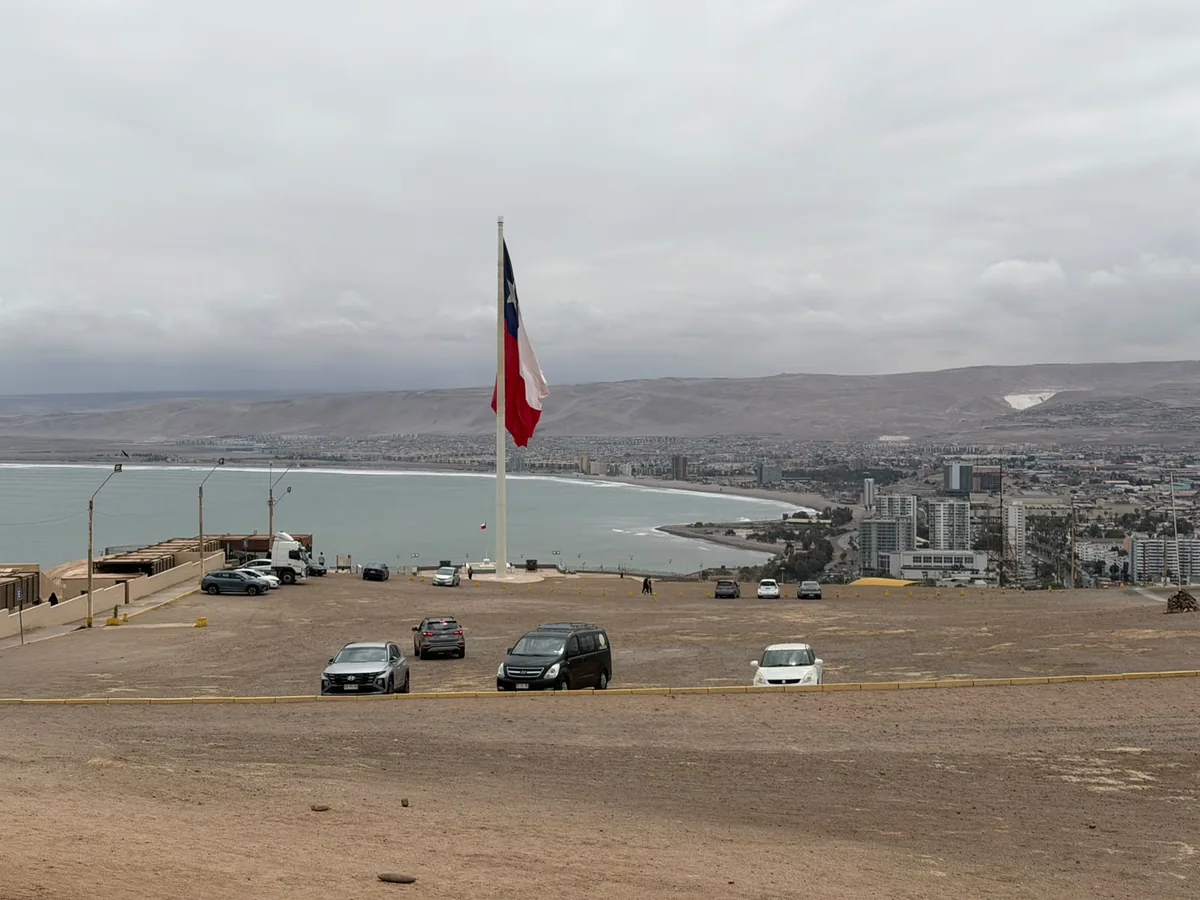
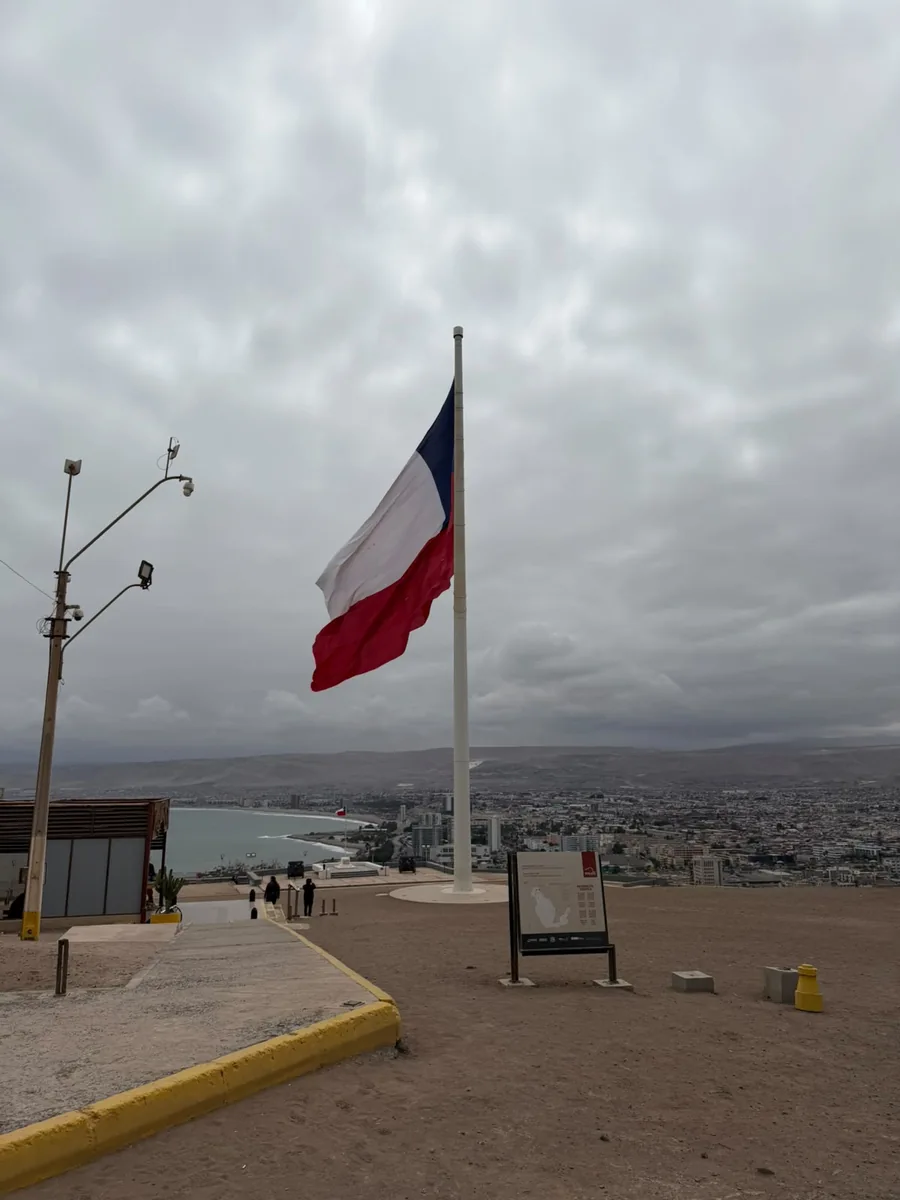
- Morro de Arica and Museo de Sitio Colón 10 are easy to visit before leaving central Arica.
- The Azapa Valley, with the archaeological museum, geoglyphs and olive farms, lies east of the city and needs extra driving time.
- The mouth of the Lluta River, a coastal wetland popular with birdwatchers, is north of Arica and is the easiest nature stop on the way to the border. From Arica Airport, however, it means first driving south.
- On the Peruvian side, Pocollay, Calana, Pachía and Miculla lie inland from Tacna, so a vineyard or petroglyph visit turns the transfer into a longer sightseeing program.
What archaeology can we see in Arica?
For a shorter visit in central Arica, Museo de Sitio Colón 10 was built around Chinchorro burials found on the site itself, at the foot of Morro de Arica. Around 45 minutes is usually enough.
In the Azapa Valley, you can also see the geoglyphs of Cerro Sagrado in the Alto Ramírez area: large human and animal figures made with stones on the hillside. Allow around 30 minutes. They combine well with the museum.
For travelers with a strong interest in archaeology, we can arrange a professional archaeologist, including, subject to availability, a specialist from Universidad de Tarapacá. The specialist, language, duration and price must be confirmed in advance.
What can archaeology lovers visit near Tacna?
Allow around three hours for the drive from Tacna, the visit and the return. Miculla can be combined with the village of Pachía and one vineyard or pisco producer.
Arica is at sea level, Tacna at around 560 meters and Miculla at around 1,200 meters. The visit involves walking on uneven ground with little shade; we can adjust the amount of walking, and if anyone in your group has limited mobility, please tell us before booking.
Can we taste olives, pisco and local food?
The valleys around Tacna produce wine and pisco. A visit can include the vineyard, an introduction to production and a tasting of pisco and, depending on the producer, fruit liqueurs or other local products. We recommend one producer per day.
One of Tacna's signature dishes is picante a la tacneña, made with potatoes, chili, beef tripe and dried meat. In Pachía, look for pastel de choclo and humitas.
For markets, Terminal Asoagro (El Agro) in Arica shows the produce of northern Chile's valleys, and Mercado Central on Avenida Bolognesi is a good option in Tacna. Allow around an hour for a market visit.
What else can we see: history, crafts or nature?
For crafts, the Boulevard de la Artesanía at the Centro de Convenciones Jorge Basadre Grohmann in Tacna has ceramics, textiles, leather, wood and jewelry made by local artisans. Opening days vary, so we confirm the visit in advance.
For nature, the wetland at the mouth of the Lluta River north of Arica is the easiest stop on the way to the border.
What sightseeing programs can you add to the transfer?
- Short introduction to Arica, up to 5 hours: Museo de Sitio Colón 10 and the viewpoint on Morro de Arica, then on to the border and your hotel in Tacna.
- Azapa Valley archaeology and olives, up to 8 hours: the archaeological museum, the geoglyphs and, subject to confirmation, an olive farm, then the border and Tacna.
- Miculla, Pachía and pisco, up to 10 hours: straight to Peru, then the Miculla petroglyphs, a stop in Pachía, a vineyard or pisco tasting and lunch before your hotel in Tacna.
Opening days vary: the San Miguel de Azapa museum is closed on Mondays, Colón 10 is usually closed on Mondays too, and vineyards, olive farms and small producers have their own schedules. Tell us which places interest you and we will check your date.
Codpa, Putre, Lauca National Park or a start in Iquique are possible, but they are separate full-day trips with very different distances and altitudes rather than stops on the way. Send us your exact route and we will plan it.
What should we bring?
Wear comfortable clothing and bring a light windproof layer, a sun hat, sunglasses, sunscreen and drinking water. For Miculla and other archaeological sites, closed shoes with a stable sole are recommended.
How do we book an Arica - Tacna private transfer?
We choose the vehicle according to your group, luggage and itinerary. The standard transfer includes a private vehicle and professional driver; a guide, archaeologist or other specialist can be added on request.
If you would like to add sightseeing, tell us what interests you most: archaeology, local food, pisco, rural traditions, crafts or nature. We will suggest a realistic itinerary around the border crossing.