Atacama to Bolivia Private Transfer via Hito Cajón
Atacama to Bolivia Private Transfer via Hito Cajón
San Pedro de Atacama & Hito Cajón border, Chile - Bolivia
Price, timing and itinerary details change according to the selected option.
San Pedro de Atacama - Hito Cajón
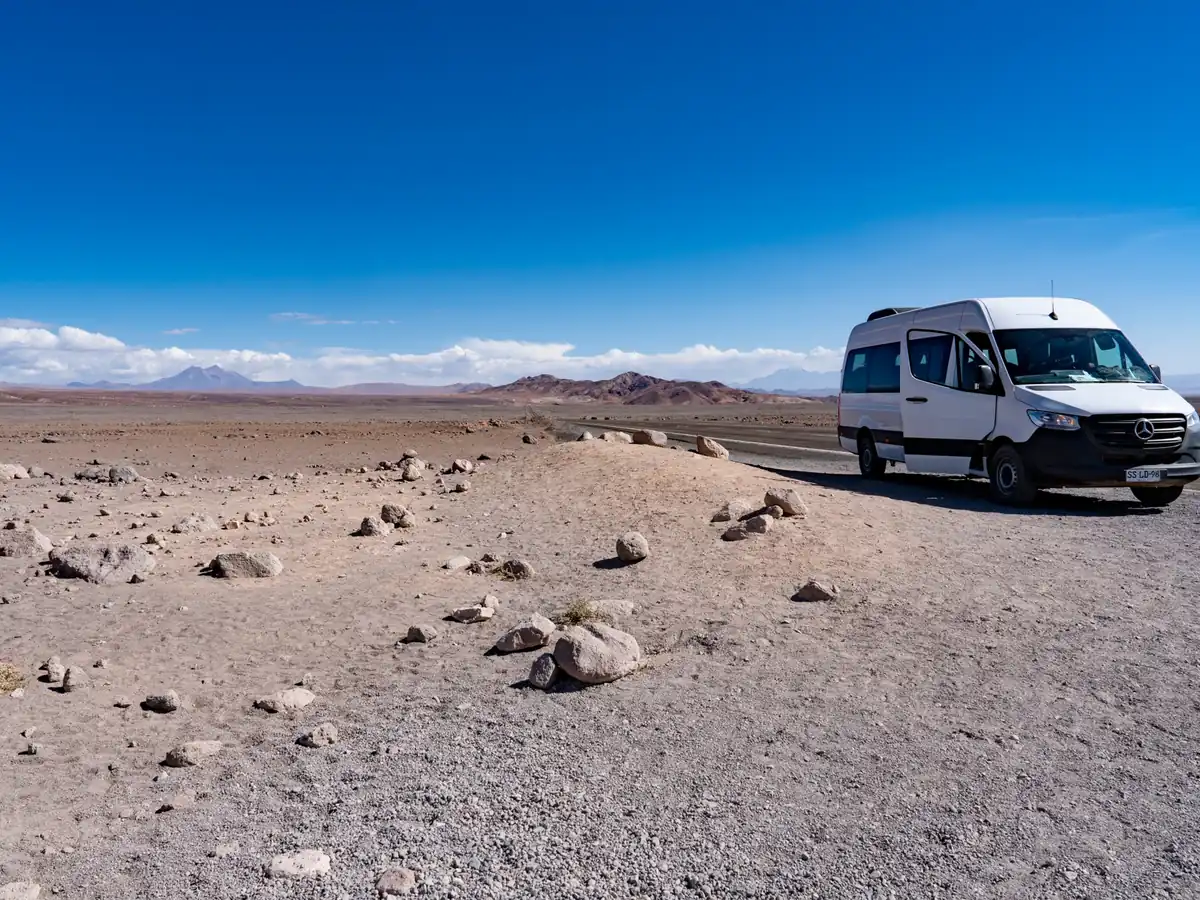
Transfer Overview
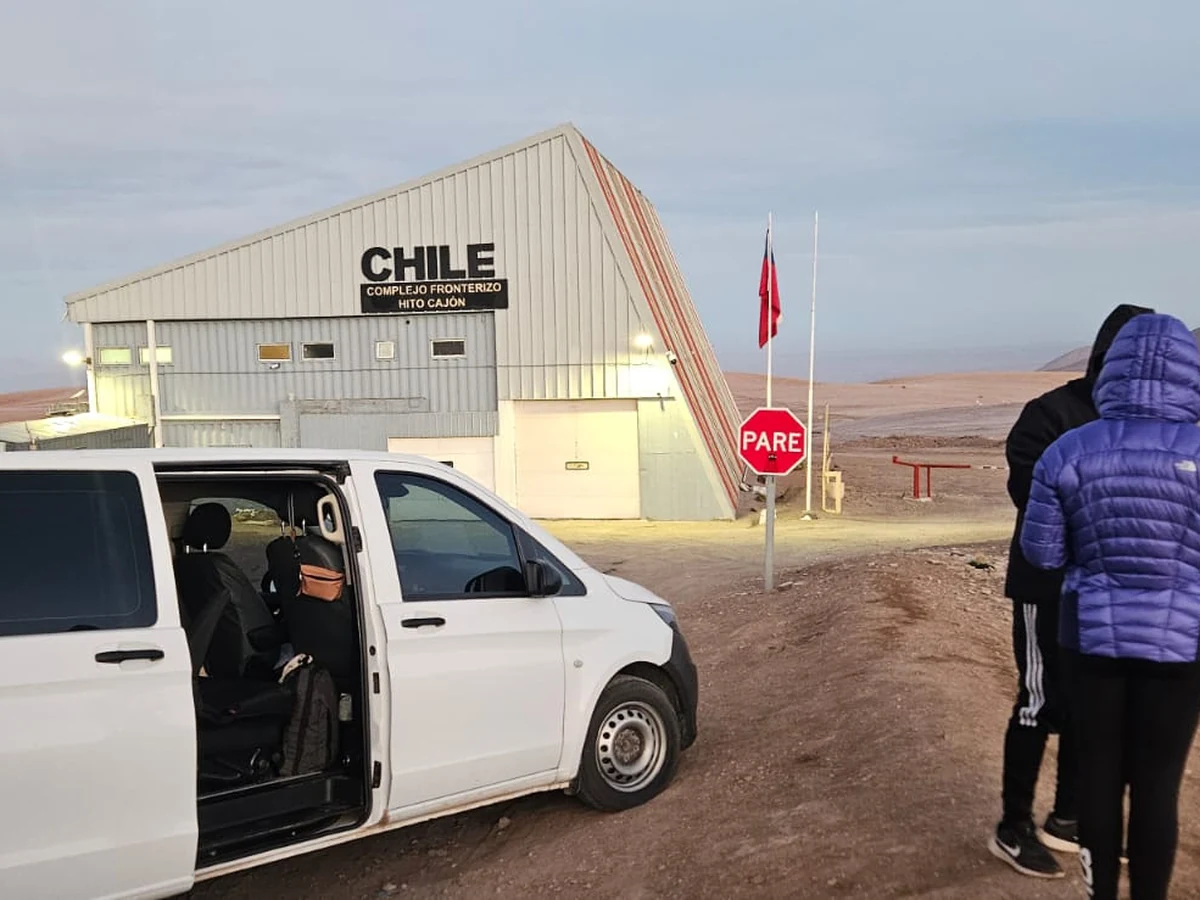
This private transfer is for travelers who have already arranged a private tour or transfer on the Bolivian side. We drive you from San Pedro de Atacama to the Hito Cajón border crossing, where your Bolivian driver or tour operator meets you to continue through the Sur Lípez region - Laguna Blanca, Laguna Verde and the Eduardo Avaroa Andean Fauna National Reserve - toward the Uyuni Salt Flats (Salar de Uyuni).
It also works the other way round: when your Bolivia tour ends at Hito Cajón, we meet you at the border and take you back to San Pedro de Atacama. This makes it a practical option for travelers combining Chile and Bolivia in one itinerary.
Price Details:
From
US$ 250per vehicle
The exact rate depends on the vehicle type, the pickup and drop-off locations, your schedule and the travel date.
Transfer Includes
- ● Private transfer vehicle
- ● Driver service
Transfer Excludes
Frequently Asked Questions about the Atacama to Bolivia Private Transfer via Hito Cajón
How long does it take to reach the Bolivian border from San Pedro de Atacama, and which route do you follow?
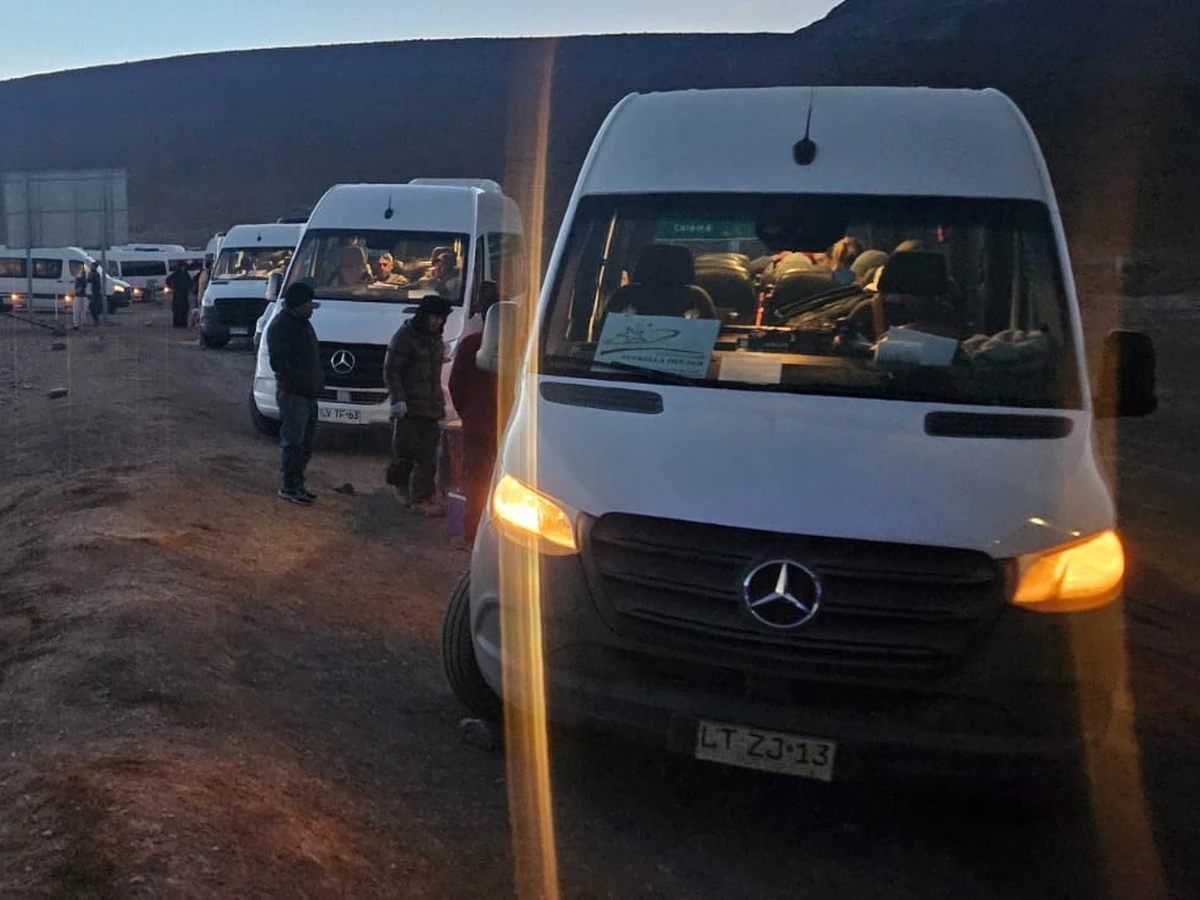
If you are arriving at El Loa Airport in Calama (CJC), add around 100 km and about 1 hour 30 minutes on the paved Route 23-CH to San Pedro, or roughly 2 hours 30 minutes to the border in total.
Actual travel times depend on the weather, road conditions, border operations and the number of vehicles at the crossing that day.
Once you have completed the border formalities, you change to a Bolivian 4WD vehicle. Your onward journey then follows unpaved roads through the Eduardo Avaroa Andean Fauna National Reserve and the Sur Lípez region toward the Uyuni Salt Flats (Salar de Uyuni).
Can you pick us up at Calama Airport?
On the way, you can stop for lunch or pick up supplies in Calama or San Pedro de Atacama.
How does the altitude affect the journey to the Bolivian border, and what should we prepare for?
Even if it was warm in Calama or San Pedro de Atacama just an hour or two earlier, it can be much colder at the border, where windy conditions are common. Bring warm layers and keep essentials such as water, sunscreen and any medication within reach.
Are there any stops or cafés along the way?
With the timing agreed in advance, we can stop in San Pedro for breakfast, brunch, lunch or coffee. It is also a convenient place to buy supplies for the journey. Friends or family members can join your group here if this is part of your travel plans. Once everyone is together, the transfer continues east toward the Bolivian border.
What will we see on the way to the border?
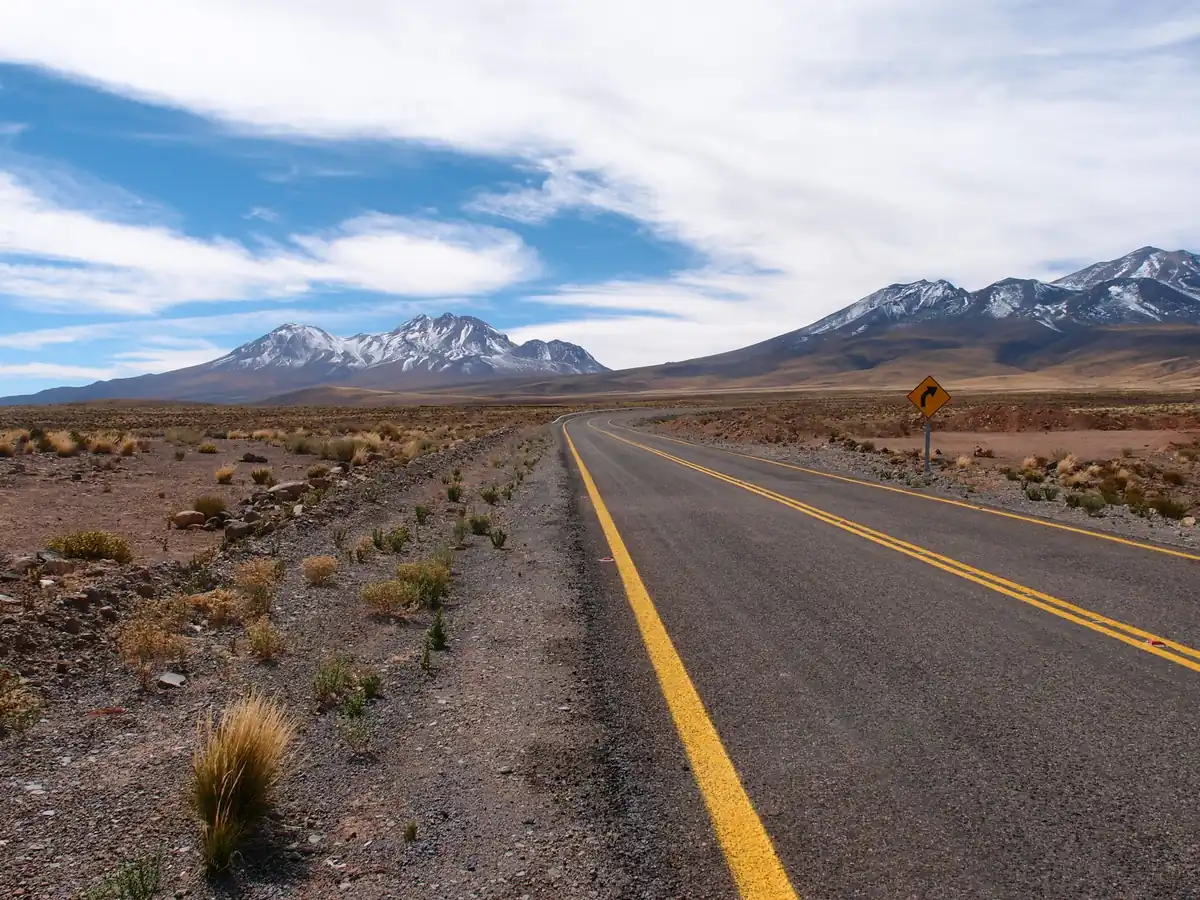
With luck, you may spot vicuñas along the way. On the Chilean side, the road does not pass any lagoons or salt flats. Laguna Blanca and Laguna Verde come right after the border, on the Bolivian side of your trip.
When can we cross the border at Hito Cajón?
Border opening hours and crossing procedures may change, so we check the current situation before each trip.
A temporary closure at Hito Cajón does not automatically mean your trip is canceled. In the high-altitude regions of Chile and Bolivia, restrictions may be imposed because of snowfall, strong winds, ice, road conditions or decisions by the border authorities. These measures are taken for travelers’ safety.
We monitor the weather forecast and the status of the crossing in advance. If Hito Cajón is temporarily closed on the day of travel, the next steps depend on the reason for the closure and how long it is expected to last:
- If the crossing is expected to reopen soon, we agree on a revised meeting time with the Bolivian operator and wait for it to reopen.
- If a longer closure is expected, we check whether the journey can be rerouted through another international border crossing that is open.
- If there is no suitable alternative that day, or a detour would disrupt the itinerary too much, we postpone the crossing and adjust the following days of the trip.
If the Lípez region and the Uyuni Salt Flats are the main focus of your trip, we work to keep your itinerary intact. This may mean a longer drive, a change of plan or an extra night, but we always try to protect the main highlights.
Travel at high altitude needs some flexibility, and we plan backup options before every trip.