Bird Watching Mantagua Wetland & Ritoque Beach Tour from Santiago
- Home
- Chile Tours
- Santiago Tours
Bird Watching Mantagua Wetland & Ritoque Beach Tour from Santiago
Bird Watching Mantagua Wetland & Ritoque Beach Tour from Santiago
Mantagua, Chile
Duration
8 HoursType
All AgesFrom US$
135 p/p
Tour Overview:
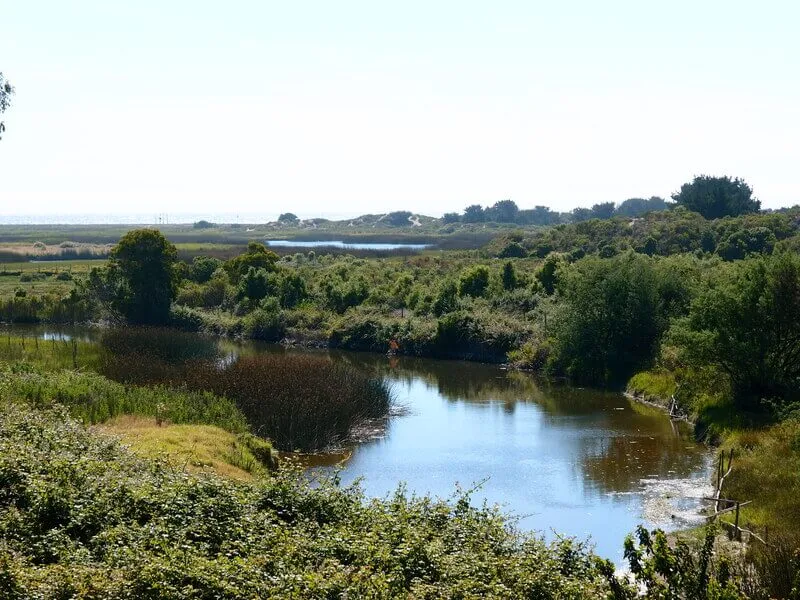
Mantagua Estuary, inside the small private reserve Posada del Parque, is one of the most interesting coastal wetlands near Valparaíso. It is a quiet place for birdwatching, nature walks and easy outdoor time among dunes, water channels and coastal vegetation.
Tour Highlights:
Mantagua Wetland
Dunes of Ritoque
Price Details:
| 1 guest | US$ 490 per person |
| 2 guests | US$ 270 per person |
| 3 guests | US$ 200 per person |
| 4 guests | US$ 170 per person |
| 5 guests | US$ 150 per person |
| 6 guests | US$ 135 per person |
Tour Includes
- ● English Speaking Guide
- ● Private Transportation
- ● Bottled Water on Board
Tour Excludes
Itinerary Details:
Santiago
In the morning, around 9:00 a.m., we pick you up at your hotel in Santiago and drive toward the coast. The wetland is located near the southern end of the Ritoque dunes, about 30 kilometers from Valparaíso.
Transfer from Santiago to Posada Del Parque
Bird Watching in Mantagua Wetland
This area brings together several coastal ecosystems in one place: wetland, dunes, river mouth and Pacific shoreline. During the visit, you can enjoy the landscape at an easy pace and learn about the birds, plants and small animals that depend on this fragile environment.
The walk begins at Posada del Parque, a small private reserve created by local people who work to protect this part of the coast. From here, we explore one of the most interesting natural areas around the Ritoque dunes. The landscape has been shaped over thousands of years by wind, river and ocean: dunes, estuary and coastal vegetation create an environment that feels very different from the city, although it is not far from Valparaíso and Concón.
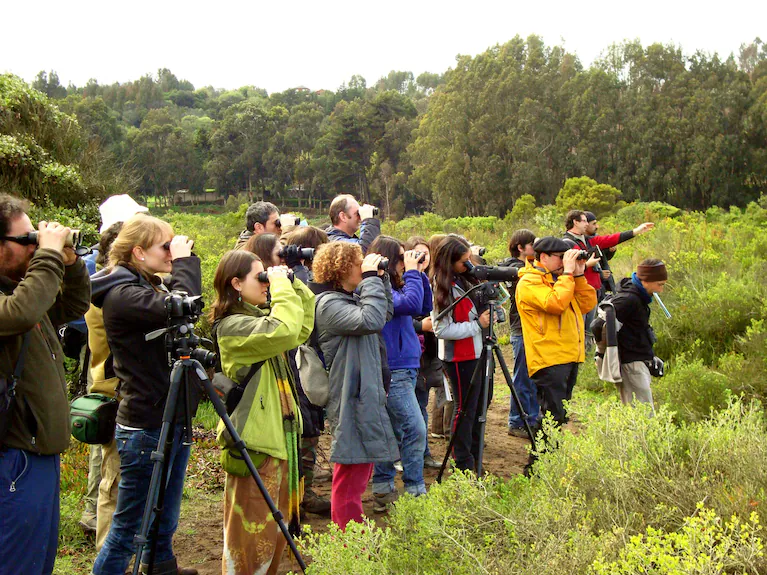
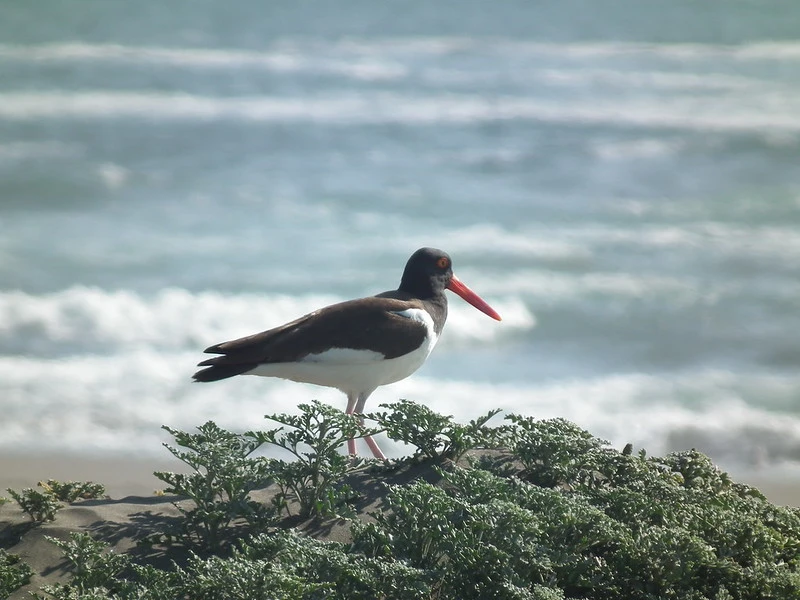
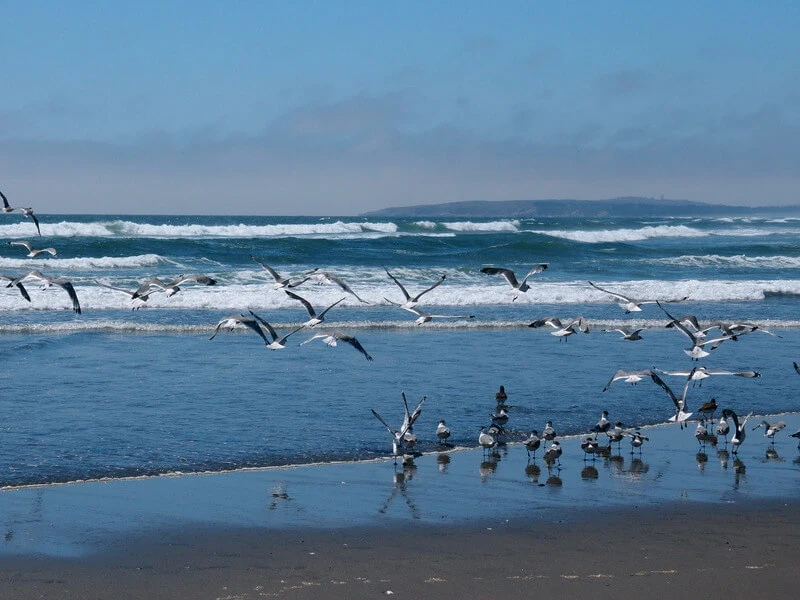
Along the route, you will have views of the Pacific Ocean, the wetland, the dunes and native coastal vegetation. With a quiet pace and a bit of luck, you may see birds feeding, resting or moving through the waters of the estuary. Depending on the season, species may include sanderlings, sandpipers, gulls, coots, oystercatchers, black-necked swans, herons, wild ducks, kingfishers, cormorants, chimango caracaras and other resident or migratory birds.
The wetland is also important for small mammals, insects, reptiles and other wildlife that find shelter among the vegetation. In recent years, camera traps have recorded the kodkod, Chile's smallest native wild cat, in nearby coastal habitats.
The estuary has aquatic plants and riverside vegetation, including bulrushes, reeds and salt-tolerant species. These plants help protect the habitat, filter water, stabilize the soil and provide shelter for insects, birds and small animals. Between the dunes and the wetland, you may also see plants adapted to coastal wind, salty fog and sandy soils.
Transfer from Posada Del Parque to Santiago
Santiago
Arrive back in Santiago at 5:00 p.m.
Note
The Mantagua Wetland is part of local conservation and environmental education initiatives led by organizations in the area, including Ngen Ambiental, the Foundation for the Integration of Natural and Cultural Heritage (Fipancu), and Posada del Parque.
Contribution to conservation
For each booking, we donate 1% of the tour price to a local nature conservation project.
Information
Duration: From Santiago, the tour lasts around 7 to 8 hours in total, including round-trip transfers, about 3 hours inside the reserve, and time for lunch.
Difficulty: Adaptable to different fitness levels. Suitable for families with children and teenagers.
Clothing: Comfortable long-sleeved clothing and closed walking shoes are recommended. There is little shade along the route, so please bring a hat, sunscreen, and sunglasses.
Equipment: We provide water. You may bring a camera, binoculars, or walking poles if you normally use them.
Birdwatching recommendations: If you are interested in birdwatching, bring your own equipment, such as binoculars, a monocular, a camera, or a long lens.