Puma Tracking and Wildlife Tour in Torres del Paine
- Home
- Chile Tours
- Patagonia Tours
Puma Tracking and Wildlife Tour in Torres del Paine
Puma Tracking and Wildlife Tour in Torres del Paine
Torres del Paine National Park, Patagonia, Chile
Duration
16 HoursType
All Ages
Tour Overview:
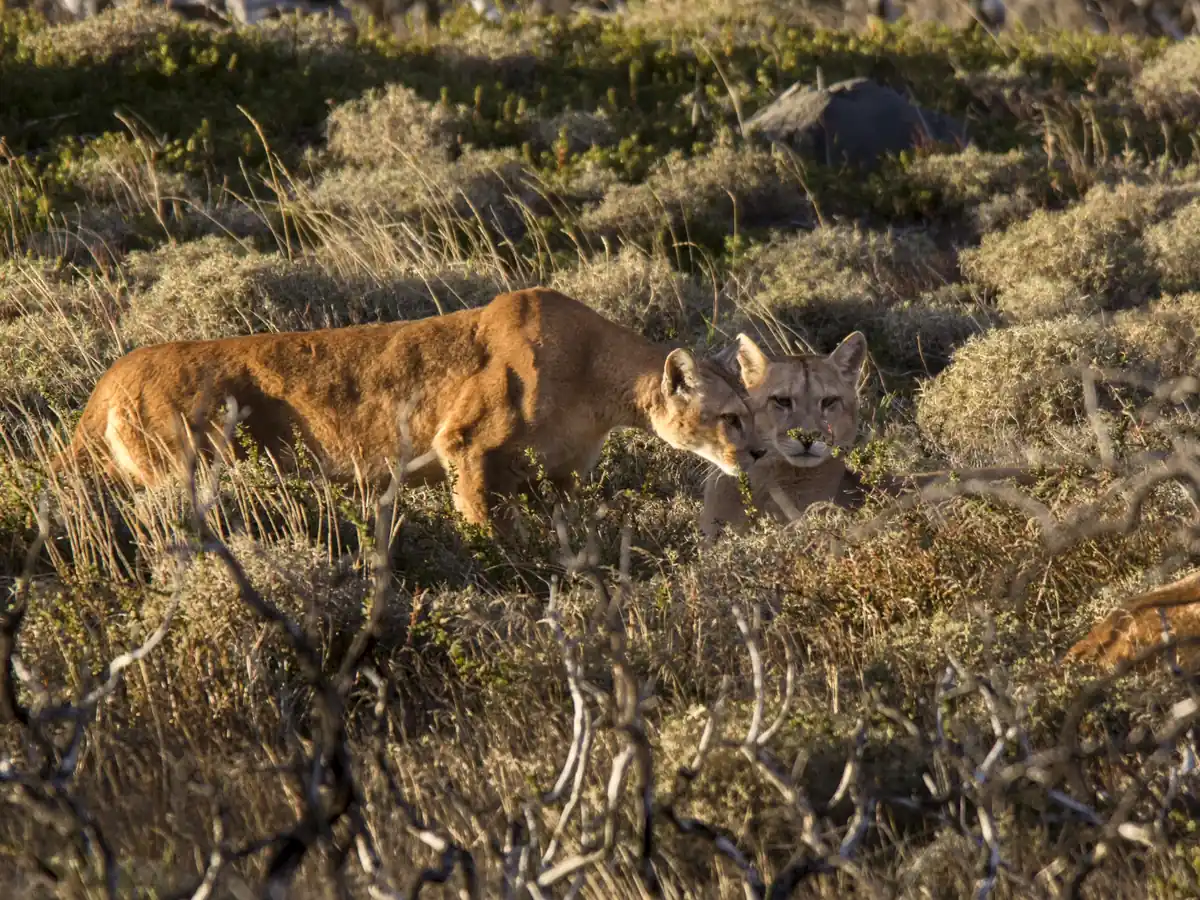
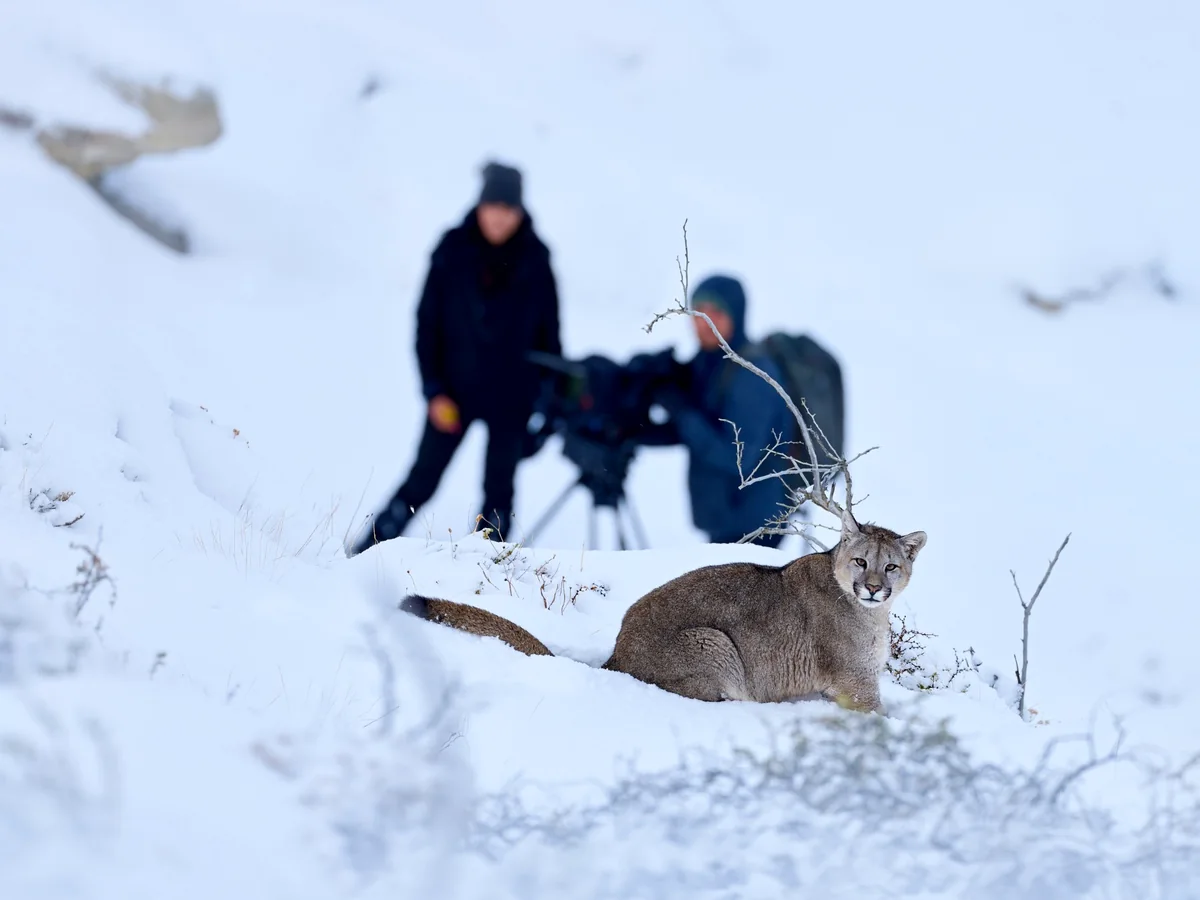
This full-day puma tracking and wildlife tour in Torres del Paine is for travelers who come to Patagonia hoping to see pumas and other wild animals in their natural habitat.
We spend the day looking for signs of wildlife: fresh tracks, movement on the hillsides, guanacos reacting to something in the distance, birds circling above the steppe, or small details that suggest an animal has passed through the area. Photography is part of the experience, but the main focus is wildlife observation and puma tracking in the real conditions of Torres del Paine National Park.
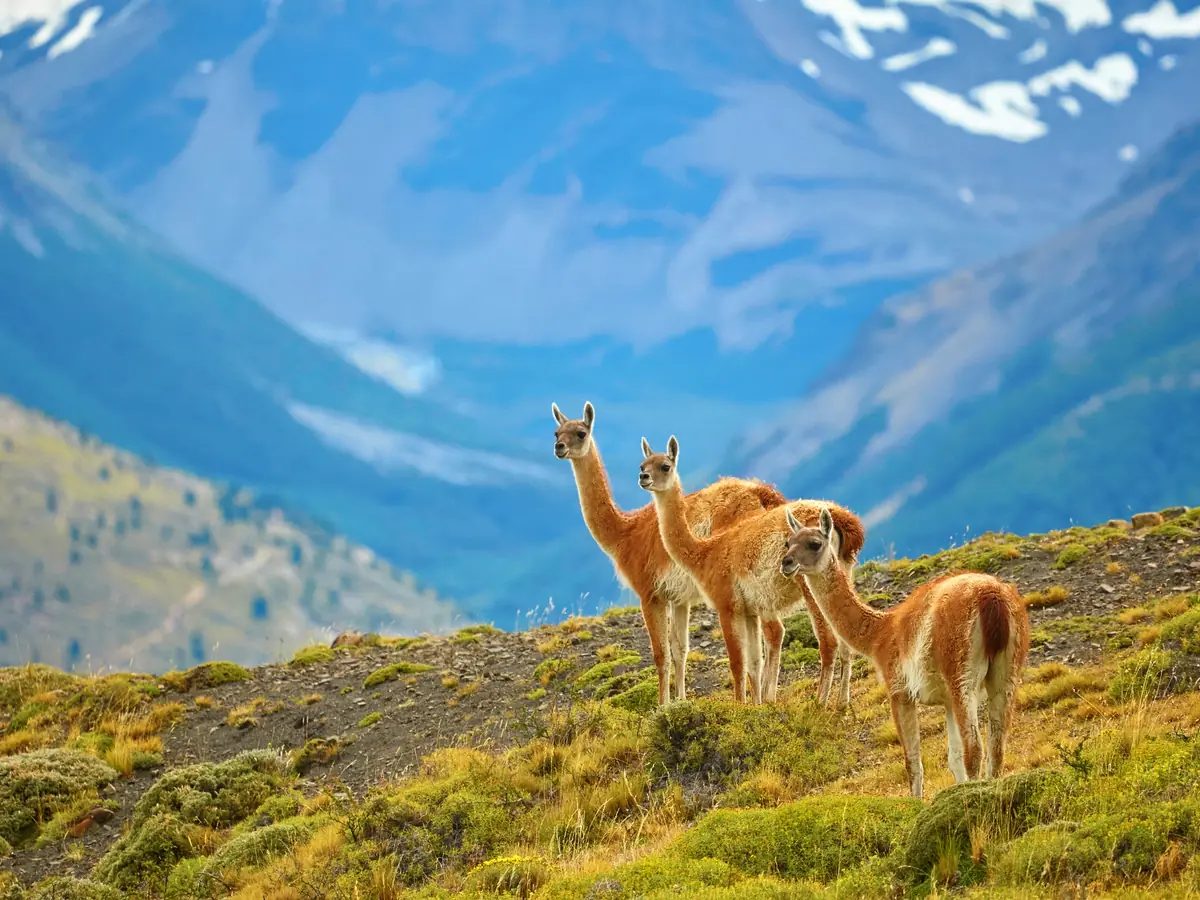
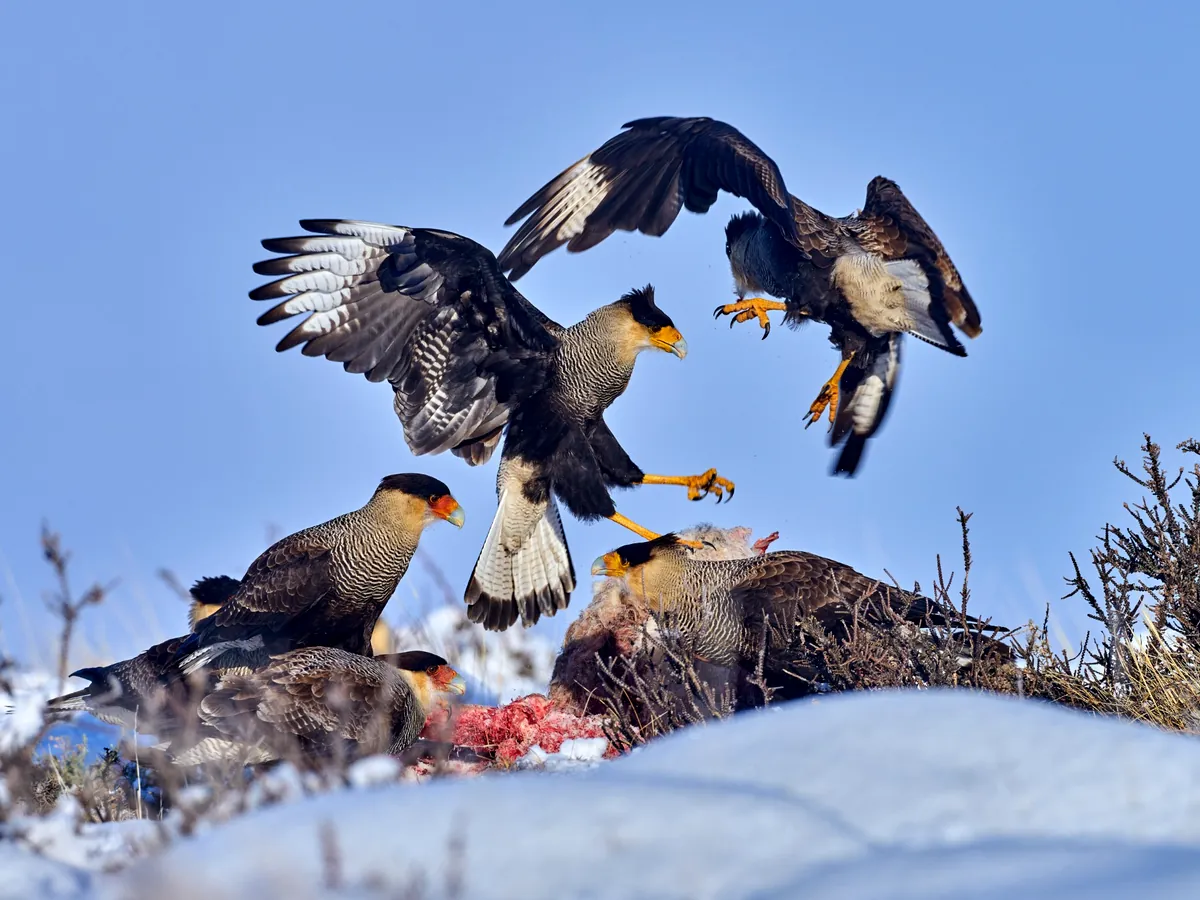
Depending on the season, weather, and animal activity, we may see guanacos, pumas, culpeo foxes, Patagonian gray foxes, armadillos, skunks, Darwin’s rheas, Andean condors, caracaras, black-chested buzzard-eagles, Chilean flamingos, black-necked swans, Magellanic woodpeckers, Patagonian lizards, and smaller wildlife living among the steppe, wetlands, rocks, and forest edges.
Tour Highlights:
Puma tracking in Torres del Paine National Park
Wildlife tracking in Torres del Paine's eastern sector
Wildlife photography in real field conditions
Price Details:
Tour Includes
- ● English-speaking tracker / naturalist guide
- ● Private Transportation
- ● Light snacks, coffee and tea
Tour Excludes
Itinerary Details:
Pickup in Puerto Natales
Early in the morning, before sunrise (around 4:30 a.m.), your driver and tracker-guide will meet you in the hotel lobby. From there, we drive to Torres del Paine National Park. The journey takes about two hours.
The early departure is important for this type of tour. Around sunrise, the light is softer, the park is quieter, and wildlife is often more active than in the middle of the day. Our goal is to reach the first wildlife areas early in the morning, when the park is still quiet and animals are more active.
Inside the park: looking for wildlife
Once inside the park, we slow down and begin watching the landscape carefully. The route usually focuses on the eastern side of Torres del Paine, especially around Laguna Amarga, Laguna Azul and Lake Sarmiento. Here the views are open, the steppe stretches far into the distance, and it is easier to follow guanaco groups, check the ridgelines and rocky slopes, and notice where pumas or other animals may be moving.
The main focus of the day is puma tracking, but the route is flexible. Your tracker-guide chooses the areas that look most promising that day, taking into account the wind, light, visibility, fresh tracks, guanaco behavior, bird activity, and any recent signs of puma movement. If one area deserves more time, we stay longer. If the signs lead us elsewhere, we move to another sector of the park.
At the same time, we keep watching the whole landscape around us. Even if the puma stays out of sight, the day can still bring many wildlife encounters: guanacos grazing on the steppe, foxes crossing the road, condors and caracaras in the wind, rheas moving through the open grassland, or flamingos and black-necked swans on the lagoons. We may also see armadillos, skunks, Patagonian lizards and smaller animals living among the rocks, wetlands and forest edges.
To make the day more comfortable, we bring hot tea, coffee and light snacks with us. You can have a warm drink between observation stops, especially during the cooler morning hours.
Midday break
Around midday, we take a longer break inside the park. Depending on the route and availability, we stop at one of the park restaurants or hotel restaurants, where you can rest, have lunch, enjoy coffee or tea, and take a short walk nearby if time allows.
The lunch stop is planned in advance, according to the route, timing and weather. Since wildlife activity is usually quieter in the middle of the day, this is a good moment to rest before continuing with the afternoon observation.
Afternoon: wildlife observation
In the afternoon, we continue observing wildlife in the park. We may return to an area where the tracker noticed signs of puma movement earlier in the day, or move to another sector if it looks more promising. If timing and conditions allow, we can also include a short walk on trails such as Aonikenk or Misceláneo. This part of the day is also good for watching birds, guanacos, foxes and smaller wildlife, as well as photographing the landscape in softer changing light.
Return to Puerto Natales
At the end of the day, we finish our puma tracking and wildlife observation in Torres del Paine and start the drive back to Puerto Natales. After a full day in the park, the return to your hotel takes about two hours.
Frequently Asked Questions about Santiago Tours and Excursions
Are puma sightings guaranteed?
What wildlife might we see?
How much walking is involved?
Where do we have lunch?
Since this is not a fixed sightseeing route, the lunch stop may be in the Grey, Serrano or Pehoé sector, depending on what works best for the day. In any case, there will be time to stop, rest, have lunch and drink something warm before we continue with the afternoon part of the tour.
Midday is usually a quieter time for wildlife, so this break is a natural pause in the day. It gives you time to relax, and it also helps us use the day well before continuing with puma tracking and wildlife observation in the afternoon.